Grieving Hearing Loss

IMG_1992
Postpartum depression hit me hard the days following our homecoming. Not only was my body reeling from the sharp drop in hormone levels, but my mind was processing another loss – my child could not hear.

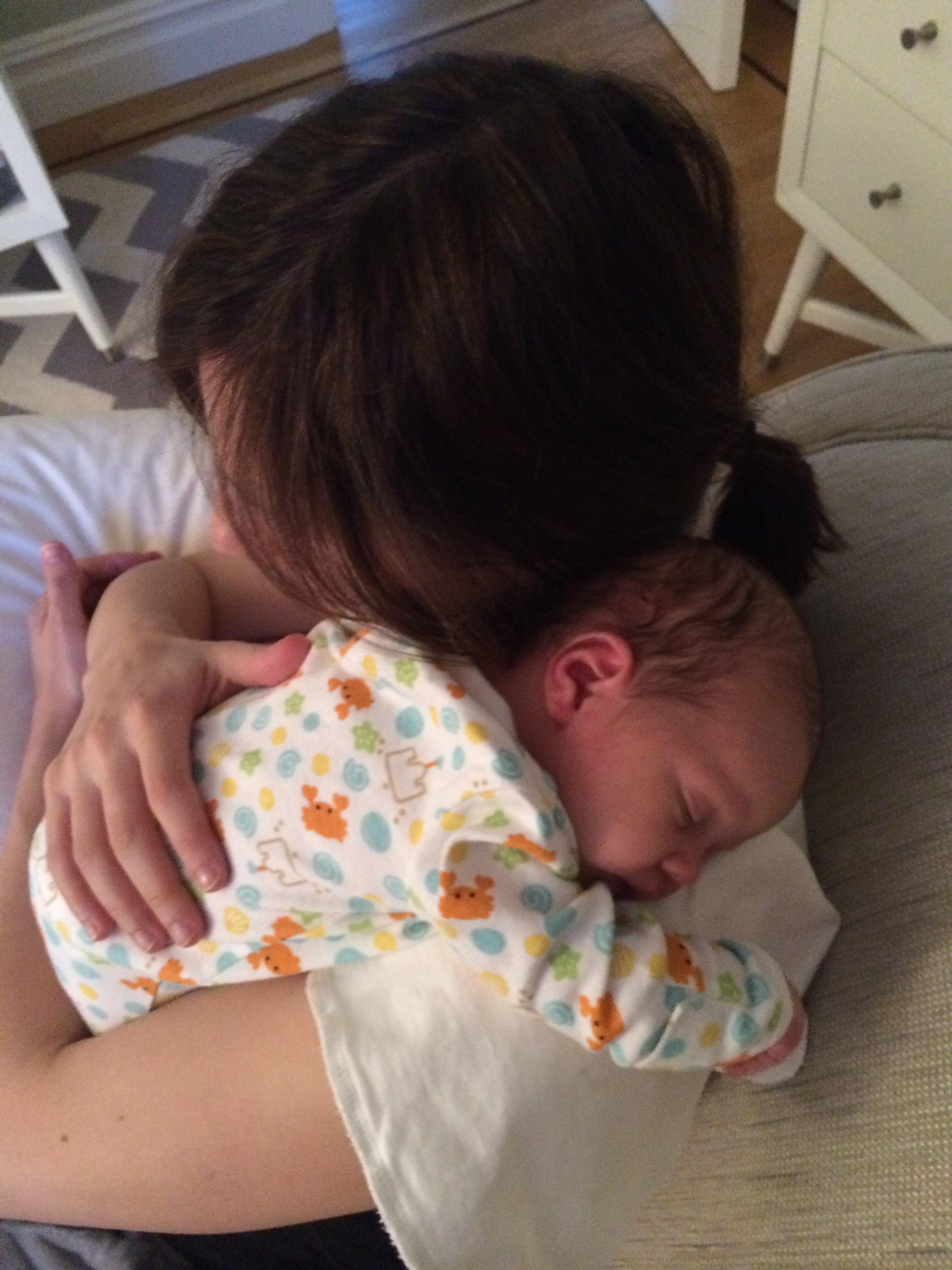
Such grief came in waves. I would find myself staring at Sonya as she fed. My fingers tracing her perfect silhouette. As I enjoyed a quiet moment of motherhood, I would suddenly remember that she was deaf. My mind churning with what ifs. How would she survive in New York City if she can’t hear? She could get hit by a car! Would she ever be able to get a job? How? Would she be a part of normal society? The hearing aids will look hideous and people will stare. My poor baby who is so beautiful will have ugly devices. Kids will make fun of her, and the biggest most challenging question: how do I tell people? The list ran on and on. I felt like I was drowning.

During my postpartum checkup, my OB advised me to contact the Seleni Institute – a nonprofit organization dedicated to helping women with reproductive and maternal mental health issues. I held onto the number for a number of days. But eventually I knew I could not continue to be a good mom to Sonya with everything I was feeling.

The Seleni Institute has professionals who specialize in helping parents of children with special needs. I knew I didn’t need long-term therapy, rather, a few sessions to help me through this particular rough patch. Dr. Christiane Manzella, PhD, FT is the Seleni Institute’s clinical director and has been a therapist and grief counselor in New York City for more than 20 years. In a recent article she penned for the Institute’s website, she offers a few ways to begin the healing process:

Know that your feelings, whatever they are, are normal. Parents are often relieved to know that feeling deeply disappointed, frustrated, and sad is part of the normal grieving process. It’s important to let yourself feel complex emotions as they come up.

Know that you are not alone. Connecting with other parents of children who have special needs will help you learn that you don’t have to hide your disappointment or go through challenges on your own. Hearing about others’ experiences will help lessen the stigma you may feel about your own complicated emotions.

Surround yourself with support. Keeping grief hidden can harm your overall quality of life and day-to-day coping skills. Find a safe person or place (such as a support group) to discuss your feelings openly.

Expect ups and downs. This is a process that will have many twists and turns. At times you may have a resurgence of grief, especially when other challenges arise. (For example, you may grieve when you become aware of a missed developmental milestone.) But knowing you’re not alone and understanding that your feelings of disappointment, shame, or guilt are perfectly normal can help you work through your grief and develop new coping skills that will improve your life and the life of your child.

– See more at: http://seleni.org/advice-support/article/grieving-when-you-have-a-child-with-special-needs#sthash.bwvipEtv.dpuf

Birth and Deaf

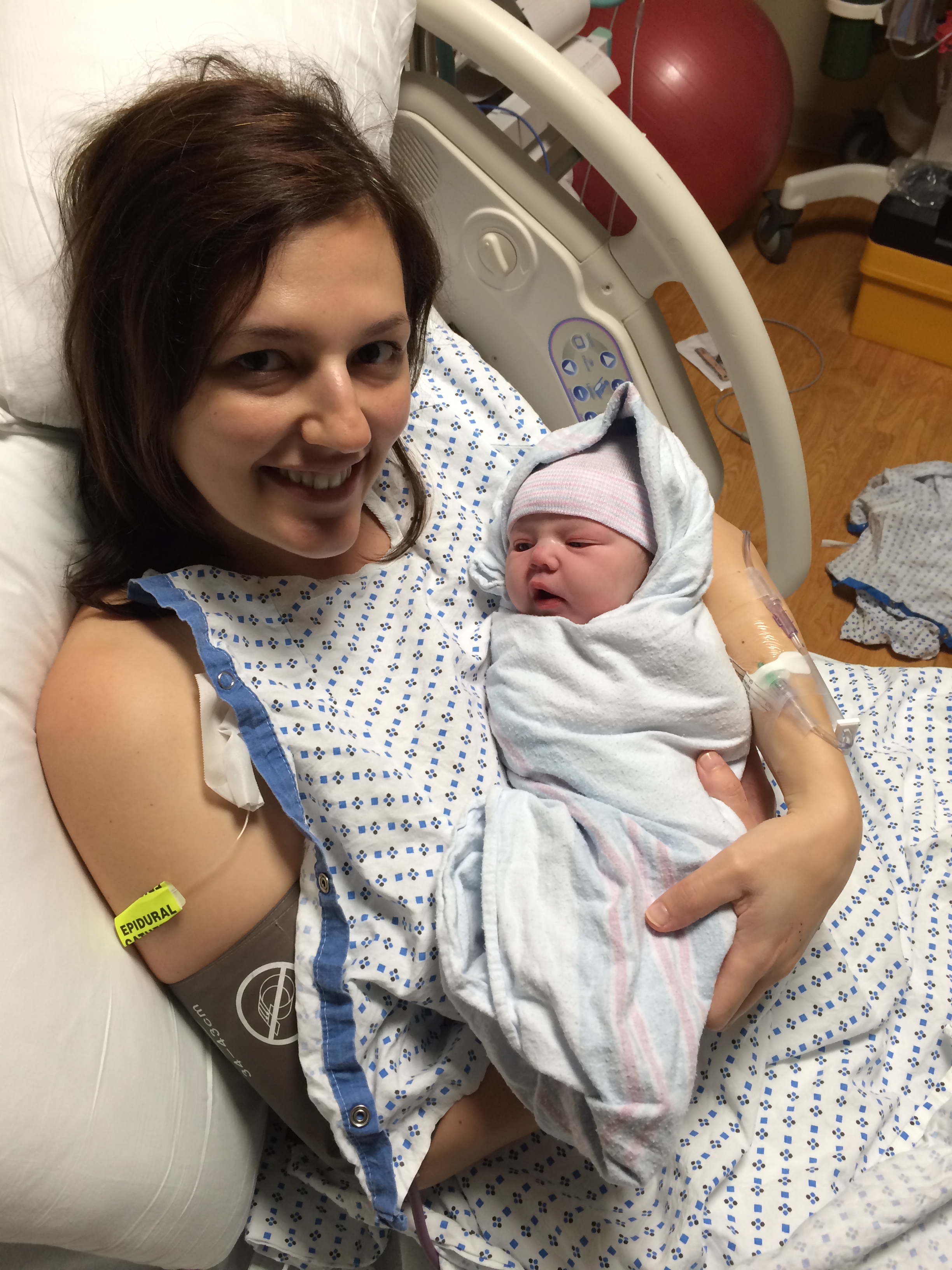
Sonya was born on a sunny Sunday in New York City. Unlike everything that came later, the birth was planned, short and smooth. I was induced at 9 a.m. By 2 p.m., I was given another dose of medication to encourage contractions. At 5 p.m., moderate contractions began and for two hours, my husband was at my side – helping me count through the pain – which really was just uncomfortable at that point.

It wasn’t until 7 p.m. (of course just 10 minutes after my husband left the hospital to grab some dinner) that things got… real. My parents were in the delivery room. My mom was trying to take over my husband’s role and count through the contractions, but she was either too fast or too slow. Then, I started to hyperventilate. My OB told me that for 14 minutes, I experienced true labor. I remember removing the oxogen mask to notify the nurses that I had a very low pain threshold. Like as if they couldn’t tell. I was shaking violently, throwing up in between breaths, and I was only two centimeters dilated. My OB ordered an epidural.

Yes, this trauma was extremely frightening at the time. But it passed so quickly. Once the epidural was in – things moved quickly – and relatively painlessly. I remember feeling a slight pressure around 9 p.m. It was so slight I hesitated before calling the OB.

“You’re ready to go my dear!” She said. By 11:15 p.m. Sonya Rose was born. She was the most beautiful baby I had ever set my eyes upon. Despite the fact that she was only a few seconds old her eyes were open and alert. They set upon my face and I felt her love.

IMG_1807

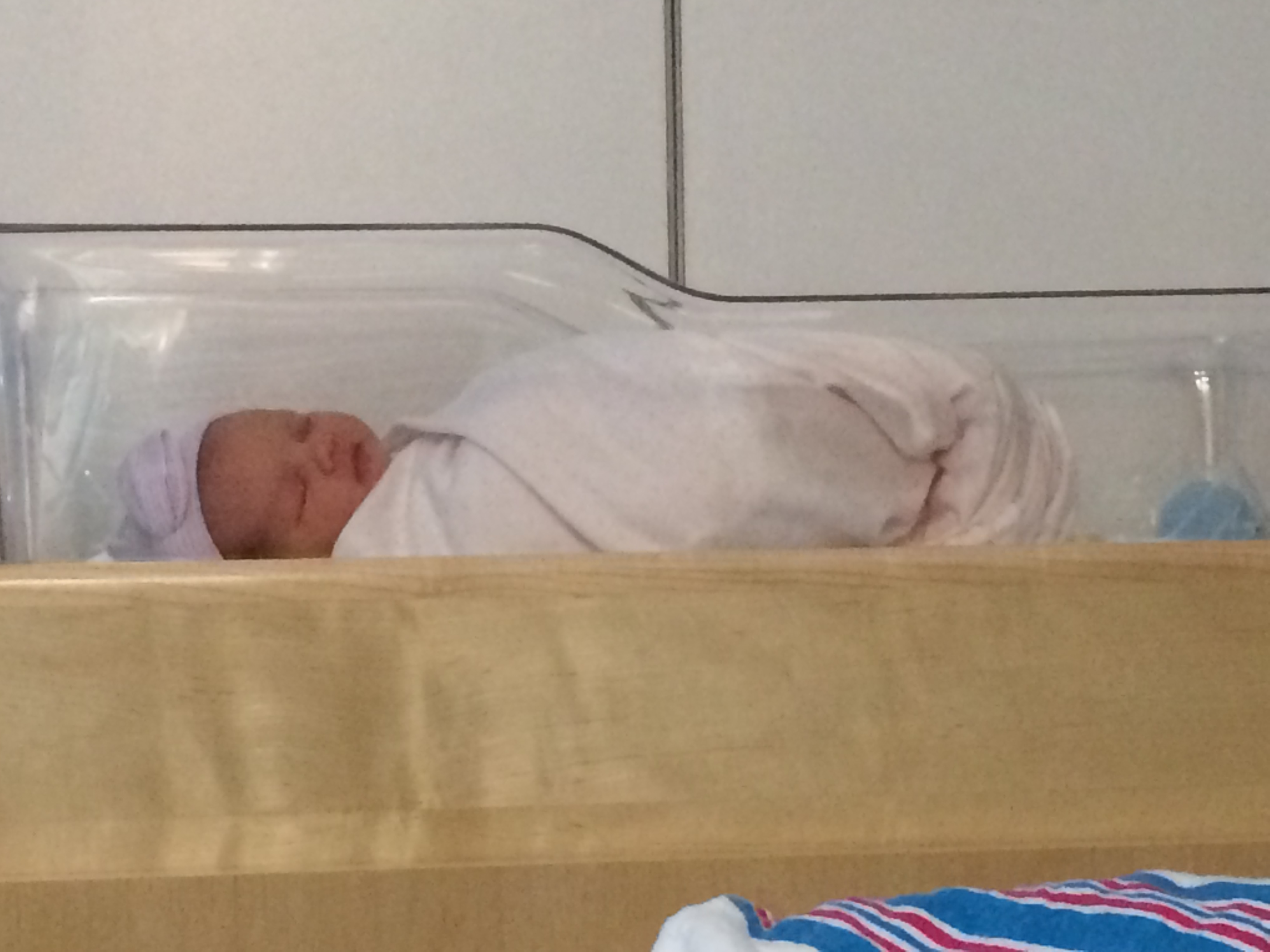
The time after the birth seems much darker. Physically, we were in a dark room (though it was private!) with a view of another building and just a sliver of sky. I didn’t know if it was day or night. Sonya was wheeled in and she just stared at us from her bassinet. She was perfect. With big grey eyes, a tiny nose and perfect mouth.

IMG_1941

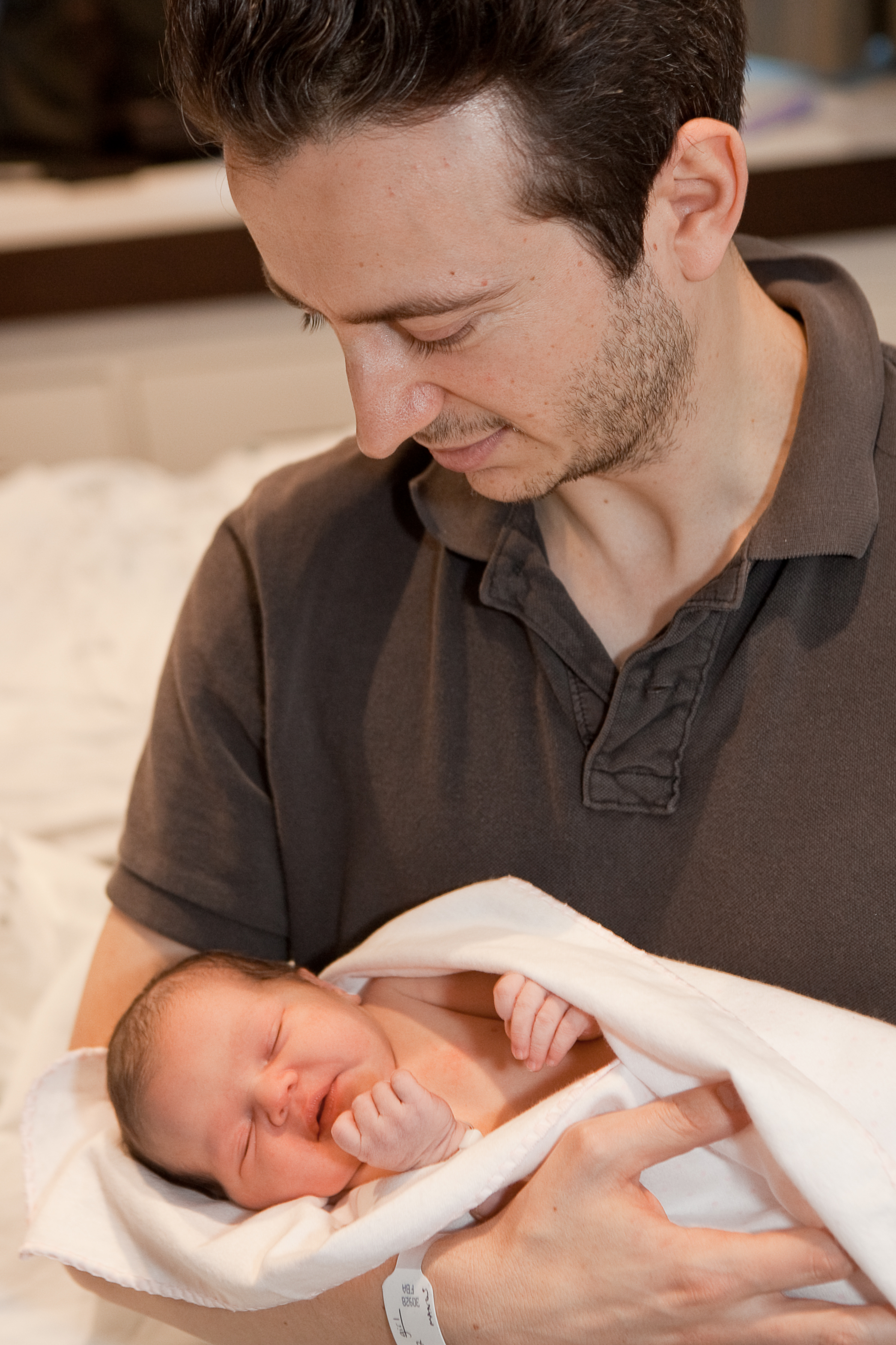
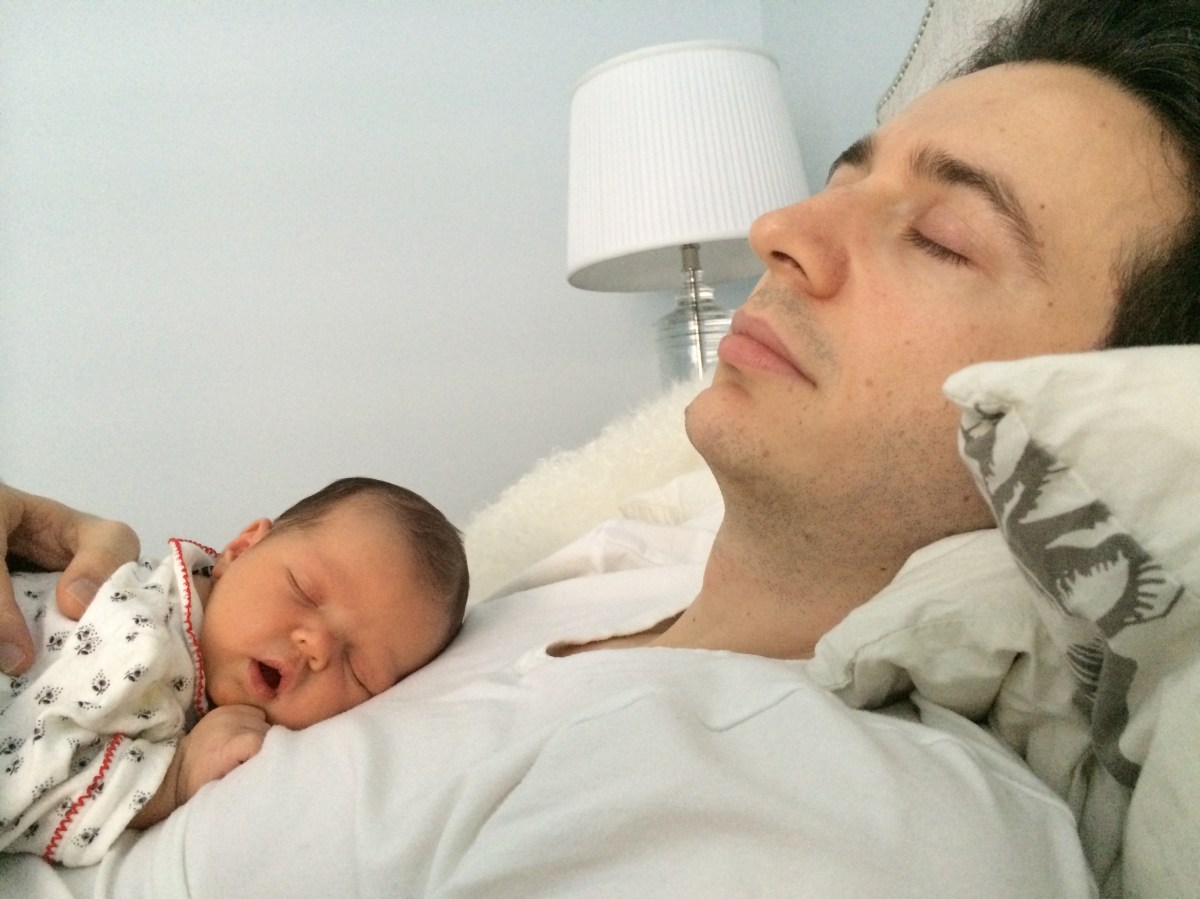
While I struggled with breastfeeding, my own recovery and the psychological trauma that child birth had left behind, my husband was incredible. He cradled Sonya while I struggled or slept. They connected so easily. She was immediately a daddy’s girl.

16-IMG_0241

Later, Sonya was taken away for her hearing screen. It was a moment I had been dreading for months. I knew my husband and I were both carriers of GJB2 – a non syndromic hearing loss gene. There was a 25 percent chance that Sonya had hearing loss. While she was gone, the hospital served us our dinner. Salmon and cous cous, grilled asparagus, and vanilla ice cream for dessert. I couldn’t eat any of it.

When the nurse came in, she immediately let us know that Sonya had not passed her first hearing screening. “This happens frequently,” she said. “Many babies have amniotic fluid in their ears, which hampers their ability to hear. We will try again tomorrow, but do not be alarmed.”

A deep pit of sadness formed in my throat. Tears welled up in my eyes. I tried to act like everything was fine – no big deal. I agreed with the nurse that we could try again tomorrow, but as soon as she left, I broke down and sobbed. It was unlike any kind of sadness I had ever felt in my life. As much joy as Sonya’s beautiful face brought to my heart, I knew she was deaf. And this knowledge brought intense, dark pain.

The Call

When I was 10 weeks pregnant, I received the call from our OB. I remember I was sitting in my windowless office. There were a dozen red roses on my desk, which had arrived earlier that week from my husband for Valentines Day. He had never sent me flowers at work before – but I suspected he wanted to do something special for me this year.

“Melissa, I am calling to discuss the genetic results from your Counsyl test,” she said. Her tone was alarmingly to the point. “It appears that both you and your husband are carriers of a non-syndromic hearing loss gene called DJB2. This means there is a one-in-four chance that your baby will have hearing loss.”

While Sonya was special from the moment I knew of her existence. I certainly wasn’t expecting her. My husband and I were so happy and in love — having a baby wasn’t the most important thing to us. But, I was eager to finally rid my body of the pill. If a baby came or didn’t come, it was meant to be, I decided.

A month later, my body felt different. My breasts were tender and my stomach churned at the smell of garlic or coffee. I bought a pregnancy test at the pharmacy around the corner and was shocked to see two blue plus signs. I called my mom. I couldn’t believe that my life was going to change so drastically. I was scared at what would happen to my body. I was scared about what would happen to my relationship with my husband. I cried. But beneath the tears my heart beat with excitement and my soul felt light. I was frightened but so very happy at the same time.

The OB said that I had an option of an amnio, though she didn’t recommend it. Such a procedure was risky – and why risk an otherwise perfectly healthy pregnancy? The level of hearing loss was also unknown. The baby could have minor hearing loss that would be fixed by a hearing aid. There was also a chance that the baby would be profoundly deaf (and while this testing was new, most babies with similar genetic mutations had profound deafness). She told me to speak with a genetic counselor and to think about it. I felt an overwhelming and consuming darkness from within. I hung up the phone and went to the bathroom. A sob from deep within my chest seemed to erupt as soon as I closed the stall door.

A week later, my husband and I met with the first of many genetic counselors, who unfortunately had little knowledge of the GJB2 gene mutation we both carried as this mutation was only recently added to the panel test.  My husband – being the rational and logical problem solver that he is – spoke to numerous other geneticists, professors and doctors over the next several months. I tried to join him in the research, but the thought of deafness was so painful to me that I ultimately decided to do what I felt was best for me and for Sonya – and that meant to be in denial. After all, there was still a 75 percent chance that Sonya would either be a carrier of the recessive gene (and therefore it would not be expressed) or that she wouldn’t have it at all. These weren’t terrible odds.