Sonya Sings All the Time

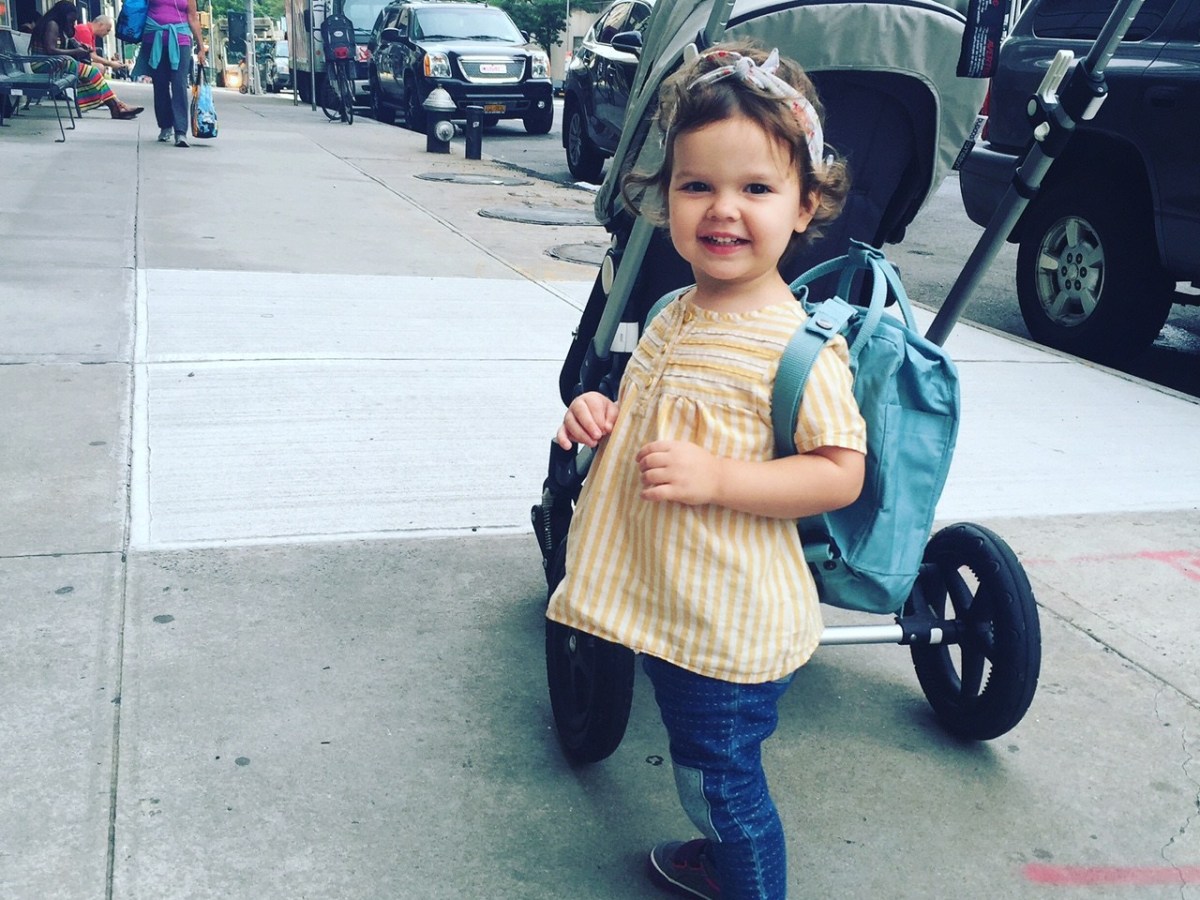
In the mornings, as I push Sonya down West End Avenue in her stroller, Sonya sings. Loudly.  Sometimes she takes requests. Most of the time she sings to her own soundtrack, on repeat. It’s pretty cute. Strangers often smile as we pass. I love to sing too, so I sometimes try to accompany, to which she immediately protests. “Stop Mom! It’s my turn! Okay?”

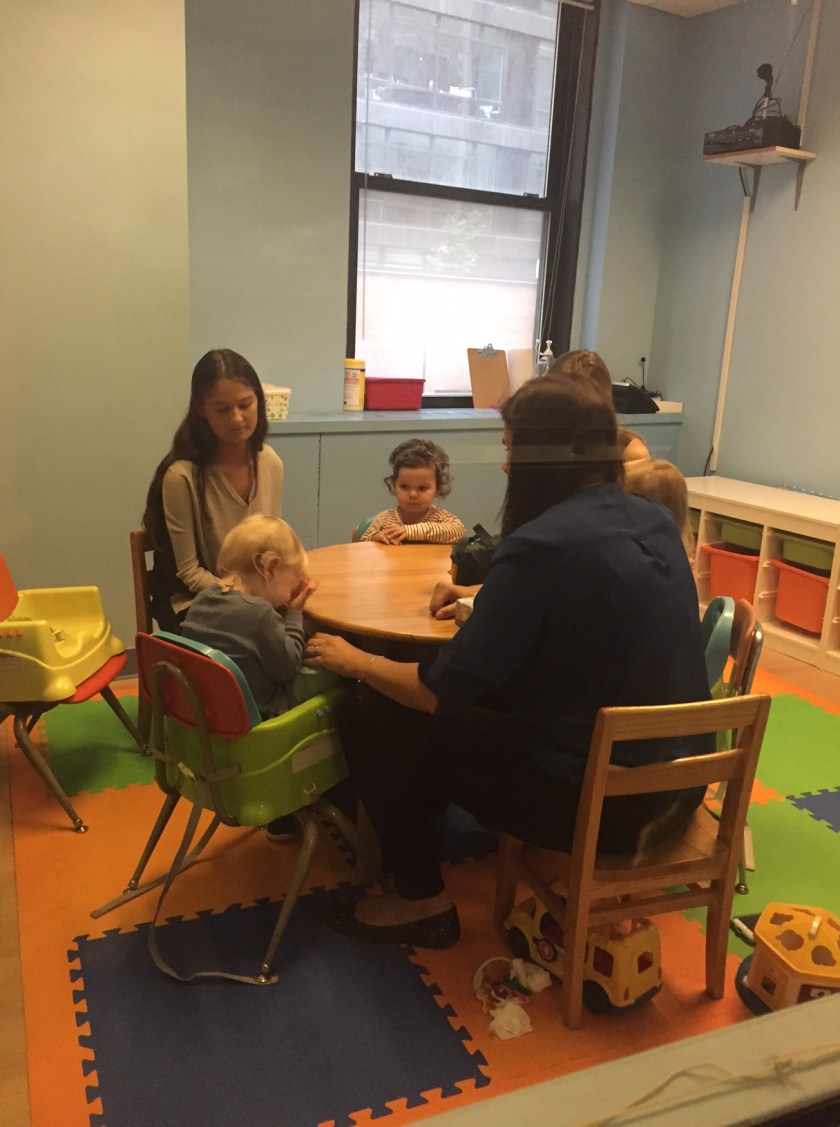
During our walks, Sonya sings the ABCs, Mary Had a Little Lamb, Frère Jacque (en Français – pas mal!), Songs of her own invention and her favorite new song “The Orange Room class song.” The Orange Room is Sonya’s room at nursery school. She attends a mainstream two’s program at the Nursery School at Habonim.


The Orange Room is the place to be
We learn to count. One, two, three
Music, yoga, science too
Our school colors are orange and blue!
The Orange Room is the place to be
We’re as happy as happy can be!

I can’t help but feel this is pretty amazing progress considering Sonya was born deaf and has worn bilateral cochlear implants since she was eight months old.

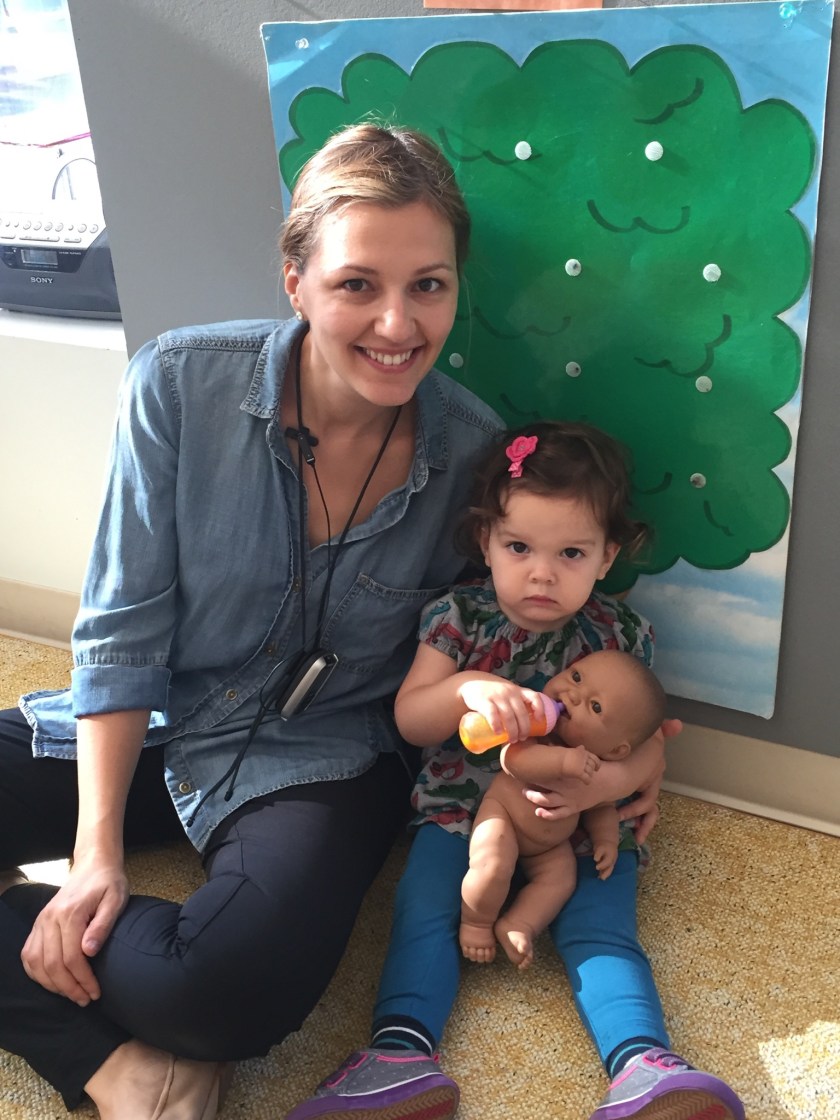
According to AudiologyOnline, singing has positive effects in cognitive, linguistic, memory and music perception for kids with hearing loss. At the Center for Hearing and Communication, where Sonya receives her speech therapy services, we were encouraged to incorporate music into Sonya’s life from her earliest days with hearing aids. They even secured free classes with Music Together, which Sonya loved.

While Sonya often sings to express joy, she also turns to music when she is angry.  Her current ‘go-to’ angry song is one she wrote herself. It goes:

I don’t like
I don’t like
I don’t like
Mommy Missy!

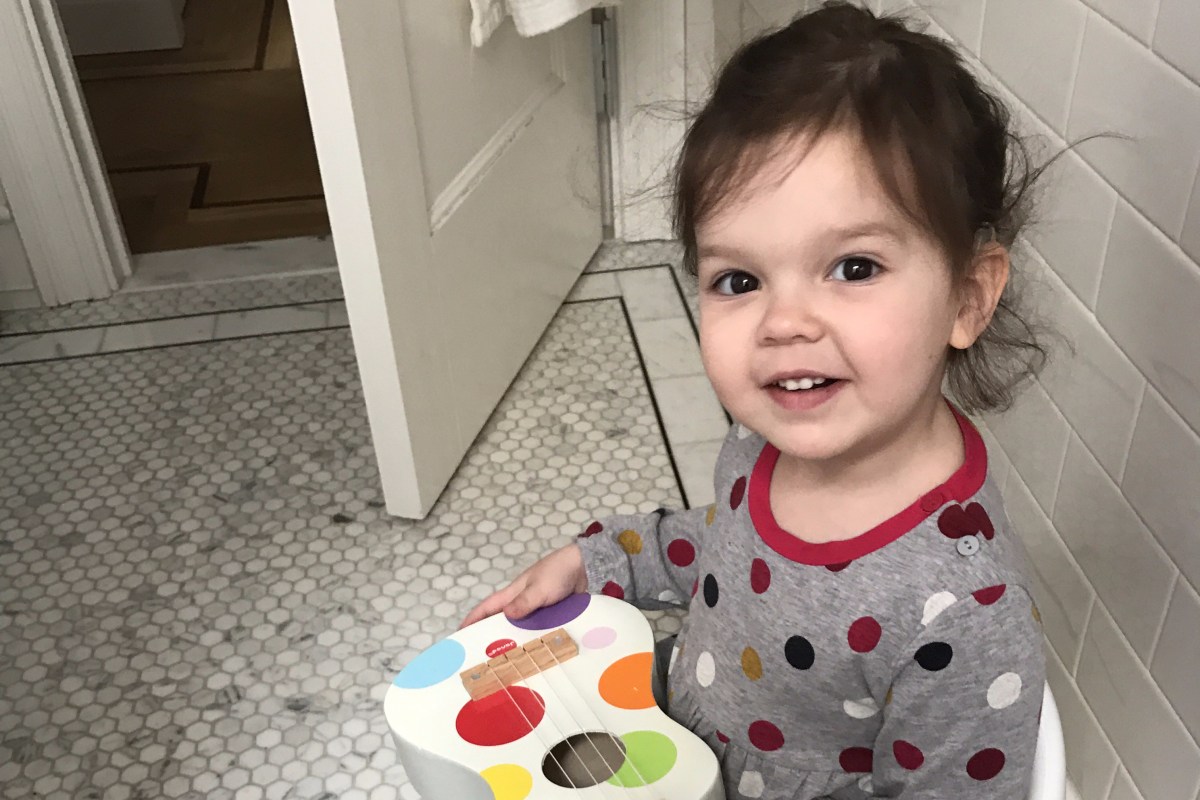
As I often discuss on this blog, when we learned Sonya would need cochlear implants we were initially very concerned about what this would mean in terms of her appreciation of music. Now, Sonya hasn’t yet demonstrated tone or pitch accuracy. She often starts a song in one key and ends up in a different key. According to AudiologyOnline, most kids develop this skill by kindergarten, though these are skills that might be more difficult for someone using cochlear implants. Cochlear implants were developed to access speech. Music is more complex. But, clearly, there is much we don’t understand about electronic hearing. Despite the obstacles, Sonya loves to sing. She loves to dance. And for the time being, she seems to enjoy it as well as her friends who hear acoustically.

Sing it Sonya!
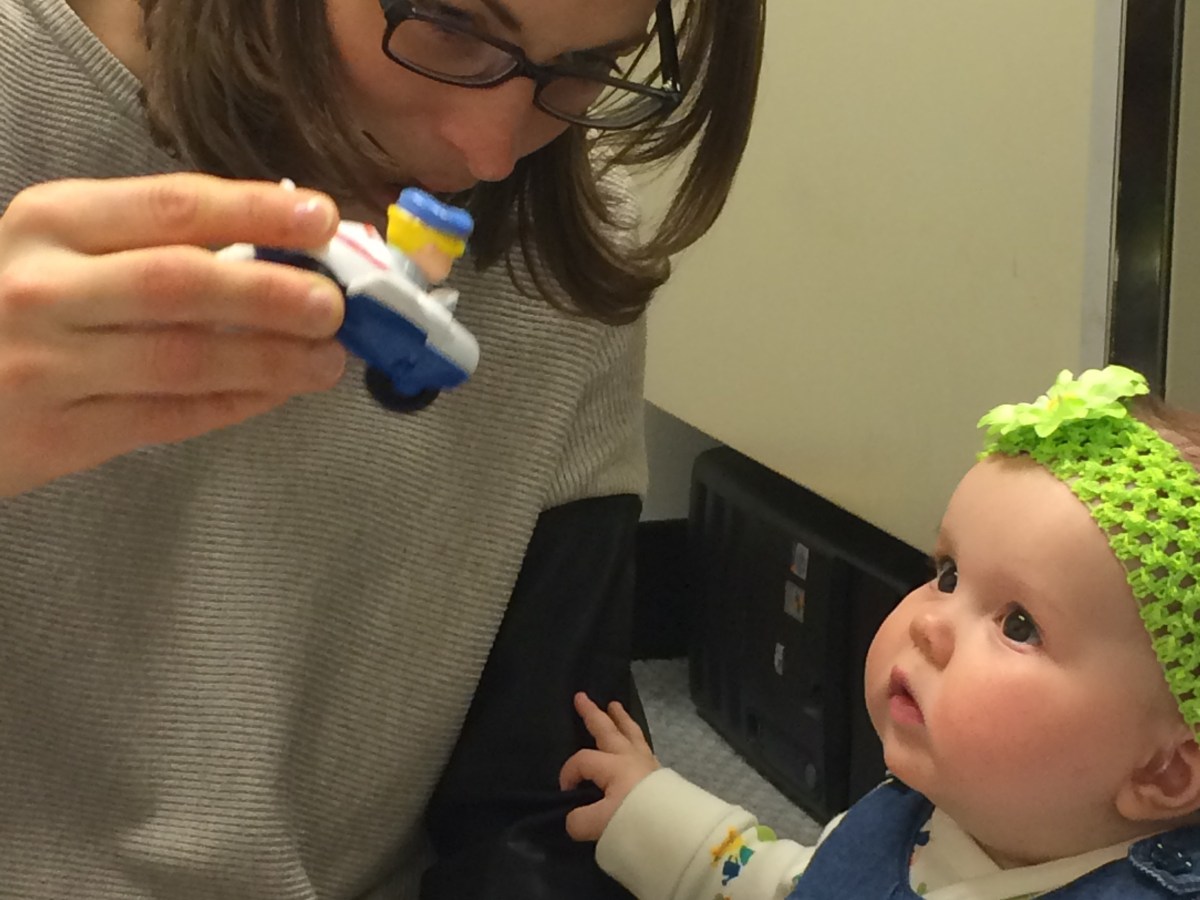
Speech Therapy – Then and Now

In my latest post I discuss the importance of speech therapy BEFORE Sonya could hear with CIs

When Sonya was just four months old, she began speech therapy at the Center for Hearing and Communication in New York City. At that time, Sonya was wearing hearing aids, but did not yet have cochlear implants (she wasn’t implanted until she was seven months old). While the hearing aids certainly stimulated Sonya’s auditory nerves, her hearing loss was so profound that they didn’t do much for her. Regardless, we continued to make that hour long schlep each way downtown so that she could receive speech therapy.

You might ask – what’s the point of speech therapy before a child can actually hear? Believe me, I asked myself (and our therapists) this same question. While the idea of a speech therapy session might seem ridiculous at such a young age, I learned and now can attest to the fact that the time spent at the CHC before Sonya could hear was critical. It accomplished the following (and I am sure more):

  • Helped lessen the trauma of the upcoming transition to sound. It acquainted Sonya to the therapists, toys and games that she would one day hear – thus easing a transition that otherwise could be quite traumatic. Sonya bonded with her therapists at an early age. We played with balls that chimed, airplanes that would one day be associated with the “ling” sound “aahh,” and toys that moved and played music. These were toys that were visually stimulating, and would interest her even further (without scaring her) the day her cochlear implants were activated.
  • Helped to increase Sonya’s attention span. Early speech therapy sessions also helped to prepare Sonya for the future “work” she would have to do. Focusing on a single activity for an extended period of time helped her increase her attention span, which would be critical for future speech therapy lessons.
  • Served as therapy for me too. At times, Sonya’s speech therapy sessions were really my therapy sessions. An opportunity to discuss my own fears and concerns as I processed Sonya’s hearing loss. Confiding to Sonya’s therapists, I sought advice from sleep training a child with hearing loss to how to inform relatives and friends that Sonya was born deaf.

It wasn’t an easy time to say the least. I talk a bit about what it was like to travel six hours a week with an infant in Manhattan here. It was taxing on Sonya too. She didn’t get on schedule as easily as other babies. We didn’t have as many playdates (if any those early months), which was hard on me as a new mom. But I am so grateful we did it.

Today, at two and five months, Sonya is thriving in speech and school. The below video was taken a month ago. Sonya will continue to do speech therapy throughout her school years. It’s still not easy, but seeing our efforts pay off is a huge motivation to keep it up.

Come to a New York Comedy Show and Support Hearing Healthcare!

The Center for Hearing and Communication’s 31st Annual Comedy Night celebrates laughter and benefits hearing loss healthcare.

2017Logo-300x225

On Wednesday, April 19th at 5:30 p.m., the Center for Hearing and Communication will host its 31st Annual Comedy Night at Caroline’s on Broadway. Since 1985 CHC has brought classic New York Comedy to thousands of people of all hearing abilities. Real time captioning, infrared listening system and sign language interpreters ensure our audience never misses the punch line, providing access to live comedy that can’t be found anywhere else.

CHC, a not for profit hearing health agency, provides life-affirming hearing healthcare to over 20,000 annually. We are committed to improving the quality of life for infants, children (including my daughter – born with profound hearing loss and who now wears cochlear implants) and adults with all degrees of hearing loss as well as children with listening, learning and auditory challenges. 

Tickets are $75 and include two drinks.

If you find yourself in New York City and would like to attend – please let me know! I would love to see you there!

xo

Missy

The Sweetest Dance

If you follow this blog, you are likely aware that when I learned my daughter Sonya had profound hearing loss and would need cochlear implants, the belief that she would not hear music as we do was one of the most distressing aspects of the diagnosis.

Now that Sonya is two years and five months (and has had cochlear implants since she was seven months old), I still don’t know what she hears when we play music. I do know one thing, however: she loves to dance!

Not only does she love to dance, I see her interpret music in her dance. She seems to hear the dynamics and the tempo. She is also an amazing mimic as she attempts to plie and arabesque. I don’t know exactly where she learned these moves. I am not exactly a great dancer.

I can’t get enough of the joy that radiates from her as she dances. I hope that other parents who have children with cochlear implants find some comfort in it too. We know so little about how the brain interprets sound electronically versus acoustically – especially for children implanted so young. Sonya’s love of music and dance shows us that at least for her, cochlear implants are not yet adversely impacting an appreciation for music.

If you are interested, check out my earlier posts on Sonya and music:

On Music

Suffering from Music Loss

New Cochlear Devices on the Market

Back in the fall, I had an opportunity to attend Cochlear’s Back to School Night in New York City.*

Some highlights:

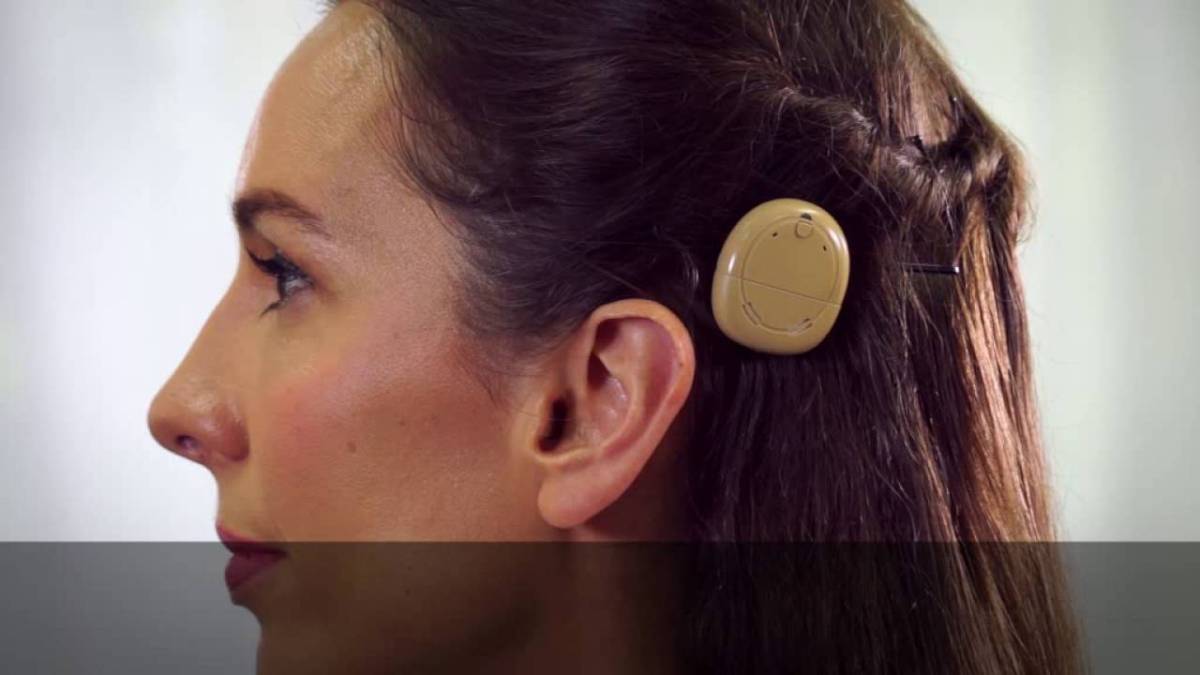
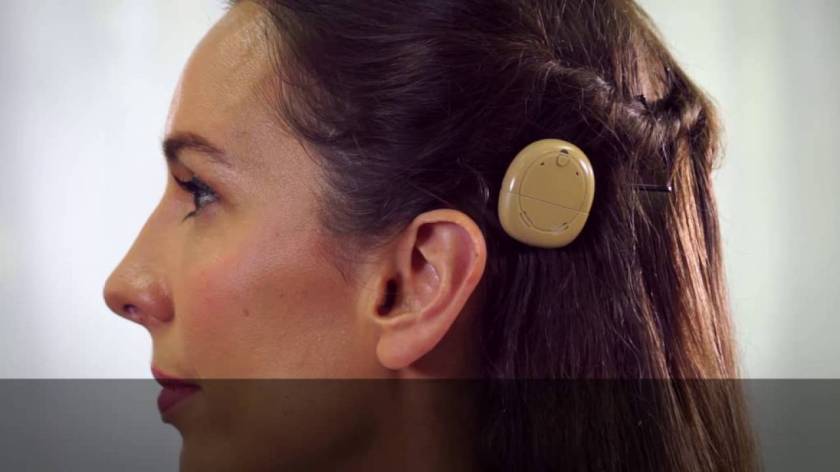
Cochlear presented its newest device, the Kanso. If you haven’t yet read about it, the Kanso is not worn behind the ear, like most cochlear implant sound processors. Instead it sits on the user’s head (where Sonya’s coil currently is stationed).

maxresdefault
Cochlear’s Kanso device has no behind-the-ear component, for a discreet look (assuming you choose a color that matches your hair…)

It’s a pretty exciting development. It’s much more discreet and comfortable, especially if you wear glasses. It is available in eight colors, so the device should blend into most hair colors.

While it is the smallest and lightest off-the-ear sound processor on the market (Med El also has the Rondo), the folks at Cochlear said its technology matched that of the Nucleus 6 processor.

The Kanso is a cool option for adults – but it is clearly not for pediatric use. The device is too big and heavy for someone as young as Sonya to wear comfortably. It jets out more from the head than her current coils. I am also concerned about the location of the microphone. Rather than sitting behind her ears, it would be placed on her head at the location of the implants. It seems that more research needs to be done before we truly understand whether placement of the microphone matters, but in the meantime, I would defer to placing them as close to the ear as possible.

Unlike the Nucleus 6, the Kanso only uses disposable batteries.

Despite these downsides, it is very exciting to imagine having just one device, rather than the three components (processor, coil and battery) that we currently must use (for each ear – in Sonya’s case). Just this week, I had to replace two wires that connect the coil to the processor because they continually wear out (similar to headphone wires). An all-in-one solution is certainly one that we look forward to.

In addition to the Kanso, Cochlear unveiled its newest assistive listening device , the Mini Mic 2+. I am a big fan of the Mini Mic (as I have discussed before).


en_product_cochlearwirelessaccessories_minimicrophone2plus_featuredimage_250x200
Cochlear’s new Mini Mic 2+

A Mini Mic is useful for  noisy places like crowded restaurants, where background noise makes it difficult to hear.

I simply clip it to my shirt, and it amplifies my voice so that Sonya can hear me above the background noise. The newest device has a much longer battery life (11 hours compared to 3-4) as well as a low battery indicator light.

While it is certainly a great accessory – the Mini Mic does not replace Sonya’s Phonak Roger Inspiro – which she currently uses in school. I was disappointed by this, as the Roger is bulky and not user friendly. It also requires her to use FM receivers that attach to her cochlear implant devices making them even larger.  The Roger is more expensive (around $1000 compare to $295 for the Mini Mic 2+).

However, the Roger beats out the Mini Mic in two areas:

1. The Roger has the capacity to hear beyond walls and obstacles in the classroom. The Mini Mic does not. This is a critical advantage. With the Roger, Sonya hears her teachers voice regardless of where she sits in the classroom. Were she to wear the Mini Mic – the sound could be disrupted.

2. The Mini Mic microphone is not always at optimal distance from the speakers mouth. While the Mini Mic is certainly more comfortable to wear, the teacher must be trained to understand where to place it exactly for optimal sound quality. If it rubs against a shirt collar for instance, the sound of the rubbing will be relayed to the listener. It sounds like a minor issue, but any such sound would be tremendously distracting for the listener.

Readers: look forward to any comments related to assistive listening devices you love. Have you tried any new products that have helped or not worked?

* And very sorry for the delay. It has been a hectic winter…


We are STILL Failing at Sleep Training and Eating is a Disaster

steword

In the age of social media (not to mention the many play dates we attend), it is impossible not to compare yourself to your seemingly perfect peers. A year-and-a-half after Sonya’s cochlear implant surgery, she is doing wonderfully. She speaks in complete sentences. She is a leader in her mainstream twos program. She is learning and speaking Russian.

Yet, I sometimes feel like I am failing her.

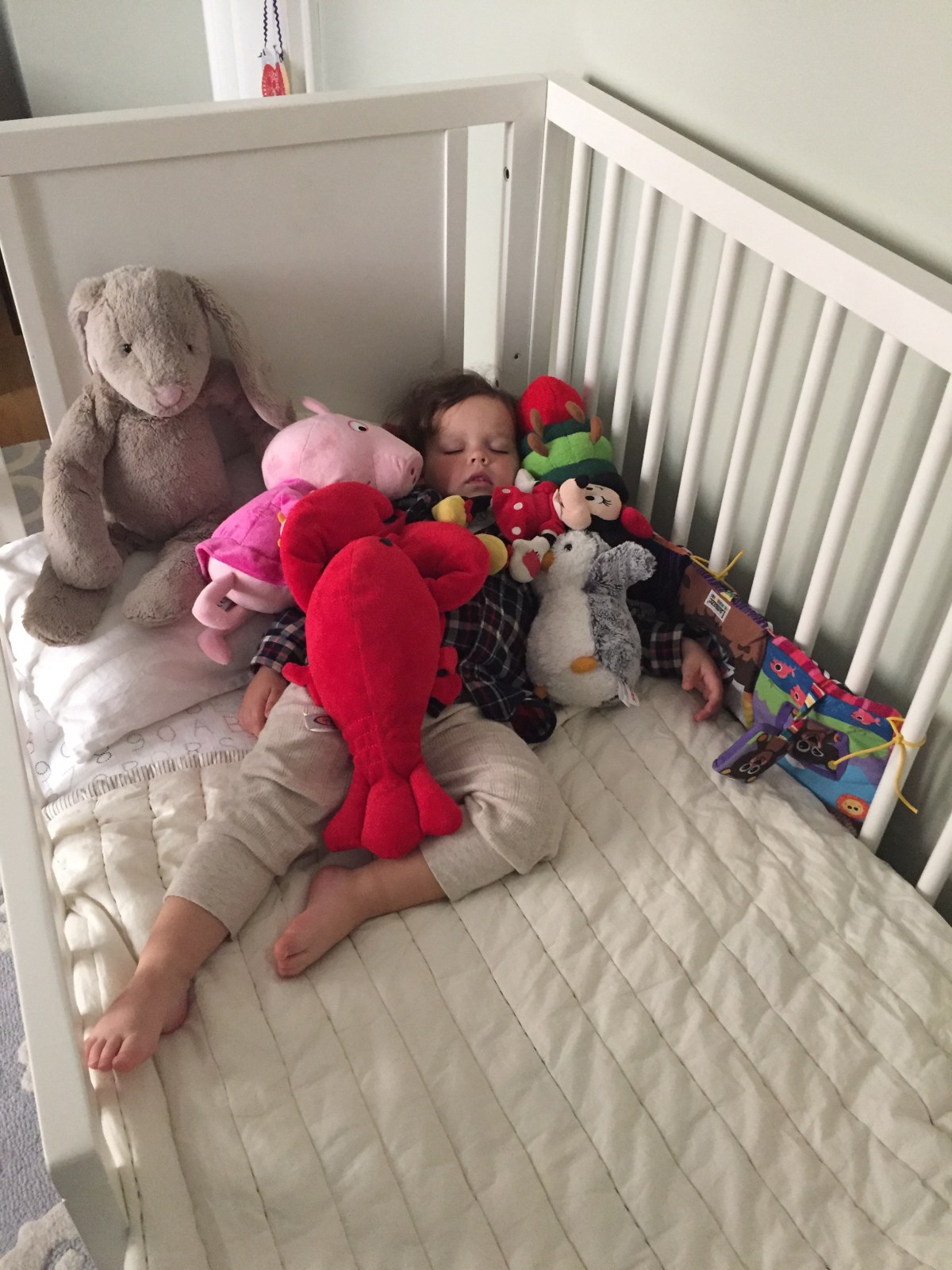
For one, I can’t seem to properly sleep train her. I have read the books. I have hired the professionals. I purchased the night lights and lullaby machines. Yet, Sonya still cries for me to lay next to her while she falls asleep – and as hard as I try – I have yet to succeed from weaning her from my presence.

At night, Sonya does not wear her cochlear implant (CIs) processors. She is deaf. This has been the challenge – and I have yet to encounter a sleep training guide, professional or friend who has a good solution for it.

img_2959

When Sonya cries for me, I find the sound unbearable. The sleep training books say she is using tears to manipulate us, but all I hear is her fear. It is dark, silent and she is alone. Who wouldn’t be afraid in that type of situation?

When the books tell me to offer comfort by the sound of my voice, I sigh in frustration. As soon as I give up, I lay back in her bed. Her breath shaking from crying eases and she smiles while closing her eyes. “I love you mama. I love you so much,” she says as she lays her arm around my neck.

Eating is another challenge. Sonya is a “stubborn” eater. She basically subsists on a diet of challah, ricotta and pasta, protein pretzels, berries, cheese and milk. Behavioral methods to improve the diversity of her food intake haven’t worked yet. We were chastised for allowing her to have an iPad at dinner, but the fact is – the iPad worked. It kept her distracted and she would eat a broader array of foods. Without it, she grows frustrated at the sight of foods she doesn’t think she will like and takes her CIs off.

While it is hard to convey these challenges to friends of hearing kids, I try to remember that every child has their challenges – whether deaf or hearing. Every parent probably feels the way I feel to a degree.

In happier news, here is a video of Sonya taken just a few days ago. She is speaking non-stop these days. We couldn’t be prouder of her progress:

Could We See a Cure for Hearing Loss in the Next Decade? Scientists at Stanford Are Optimistic

img_3024
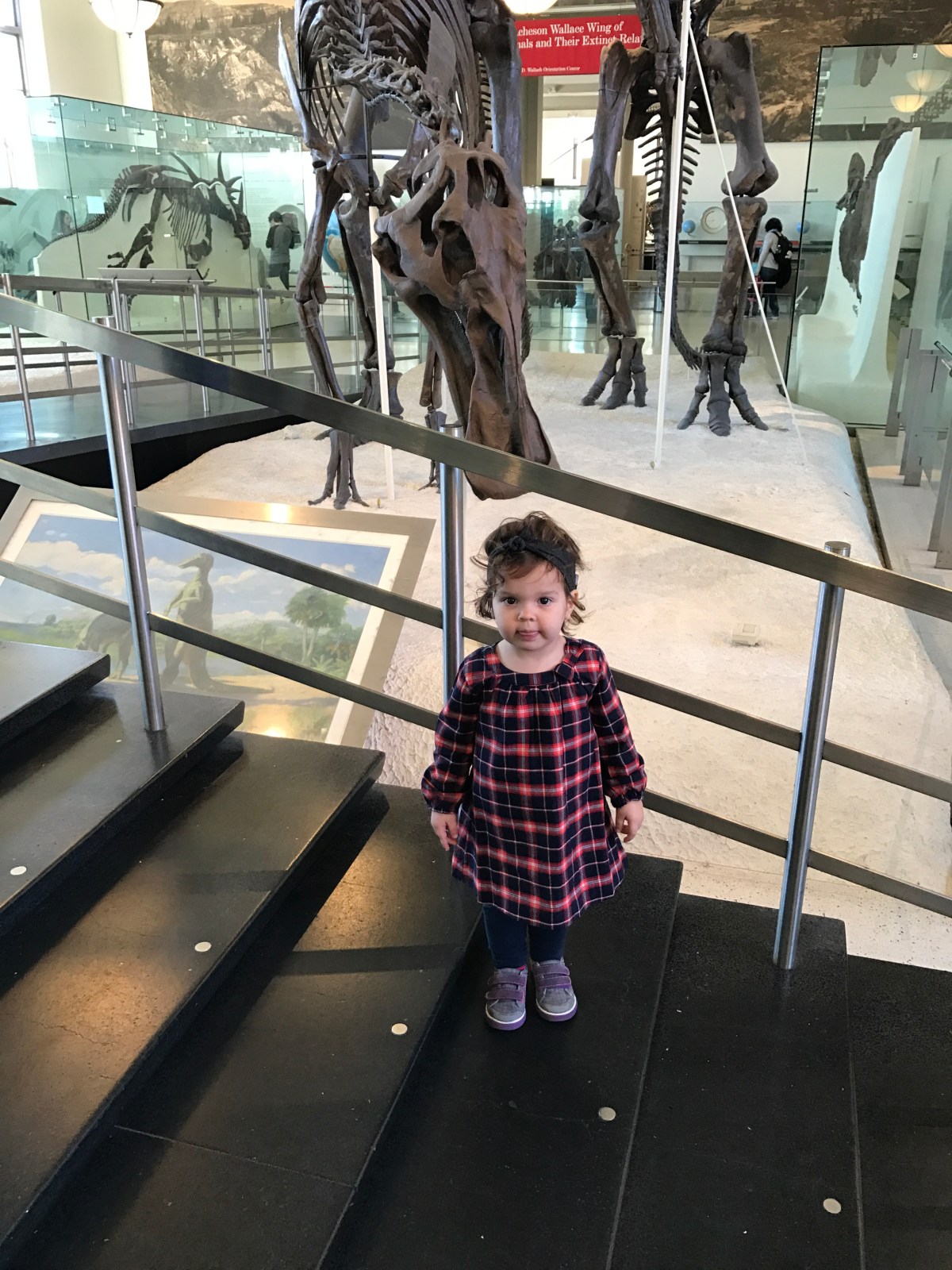
Sonya hanging out in her favorite place: The American Museum of Natural History. She already loves science 🙂

Sonya was born deaf, but she was also born into an amazing age where symptoms of hearing loss can be relieved. When she was just seven months old, Sonya was implanted with cochlear implants which provide her a solid range of sound – particularly within the vocal range. Because of this technology, she is learning to speak and listen (and at two-years-old is on par with her hearing peers in terms of speech and comprehension!)

While cochlear implants are an amazing solution – they do not cure hearing loss. For example, Sonya likely does not hear music as we do. She likely does not access the subtlety and grandeur of sound that we are afforded.

But imagine, one day, if there was a way to restore hearing loss — even for people who have cochlear implants.

Researchers at Stanford not only believe it is possible – but within our reach in the next 10 years. Imagine what that would mean for someone like Sonya? Someone who never had use of her ears. Imagine what it would mean for the nearly 48 million Americans who report some degree of hearing loss and the nearly 278 million people worldwide.stanford

This week, we met with Dr. Robert Jackler, the lead researcher at the Stanford Initiative to Cure Hearing Loss  and Dr. Stefan Heller (who runs Heller Lab at Stanford) and whose mission is to create biological cures for major forms of hearing loss. Unlike other institutions which are focusing efforts on improving the symptoms of hearing loss, Stanford is working to address the (main) underlying problem: loss of inner ear sensory hair cells.

Let me explain. We are born with thousands of hair follicles that live deep within the inner ear — inside the shell-shaped cochlea. These hairs transmit vibrations to the brain, which interprets those vibrations as sound.

For Sonya – who was born with a genetic mutation (Connexin 26) –  and is missing a necessary protein to grow the above hair follicles – the diagnosis of deafness seems intangible. But Dr. Jackler and his team believes such hair follicles can be regenerated. To do so, Stanford has pulled together researchers in four key areas: stem cell therapy, gene therapy, molecular therapy and targeted neural stimulation. In 2015, Stanford scientists discovered biological mechanisms that appear to play a role in the regeneration of cells in the inner ear. They have also been able to regenerate such hair cells in mice.

Dr. Jackler brought up one avenue of research, that is particularly compelling. Many children suffer from hearing loss because of complications at birth. Aminoglycoside antibiotics are given to babies (especially in developing countries) to prevent infection. Yet, for some infants, the use of these drugs can cause hearing loss. Aminoglycoside antibiotics can travel into the inner ear and kill hair cells. Stanford researchers across an array of disciplines are very close to developing a way to protect the inner ear, while still allowing the drug to kill bacteria – thereby saving the patient’s hearing. This development would literally save millions of babies from hearing loss.

To many, Stanford’s Initiative to Cure Hearing Loss might seem too challenging, too expensive, too far out there to fund. Investments in hearing loss technology including hearing aids and cochlear implants have been society’s focus – but I would urge people not to disregard such research. The future of all our ears depends on it.

Check it out: https://hearinglosscure.stanford.edu/

They also have an interesting blog where you can stay updated on their research: https://hearinglosscure.stanford.edu/blog/


Mapping Sonya’s Cochlear Implants

While I frequently discuss Sonya’s cochlear implant mappings on the blog, I haven’t really shown you what they are like, with the exception of her initial mapping/activation.

A MAP is a program that optimizes a cochlear implant user’s access to sound. The audiologist connects Sonya’s processors to a computer. Sonya then hears a series of beeps and the audiologist measures her response.

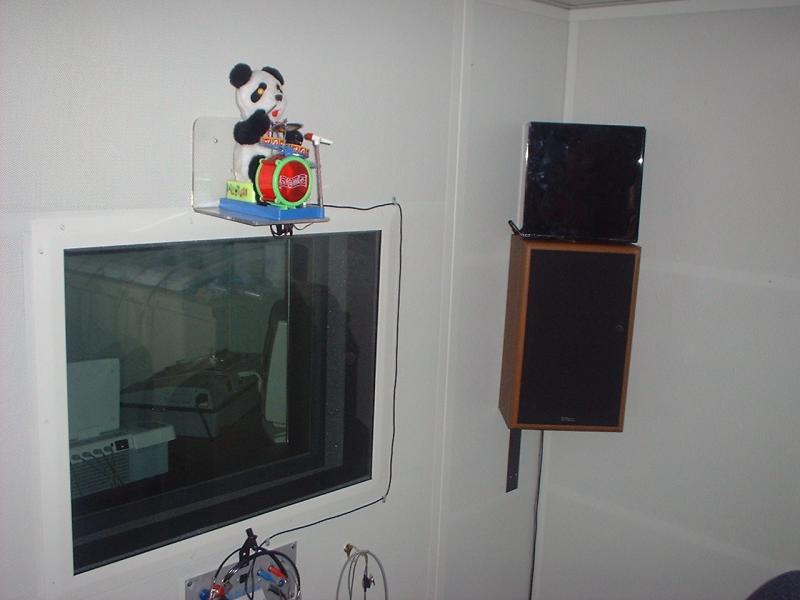
As an infant, measuring this response was rather tricky. The audiologist might observe a change in eye movement, a head turn or Sonya might stop moving. All of these behaviors indicate that Sonya was hearing the sound. Upon seeing such behavior, the audiologist would light up a black box with a toy playing the drum (or something similar). This would condition Sonya to look at the box when she heard the sound. Thus, the audiologist was able to get a sense as to which sounds Sonya could and could not hear.

monkey.jpg
An example of a sound booth where audiologists will screen for hearing loss

Now that Sonya is two, her mappings are a bit different. When Sonya hears a sound, she puts a coin in a piggy bank. She is still working on this skill, but it is a much easier/accurate way to determine whether or not she hears the sound.

First the audiologist sends the sound directly to Sonya’s processors. We don’t hear it. Only she does. Then, the audiologist turns her processors on to detect noises in her environment. In the videos below, you can watch Sonya listen to the sounds through her processors at first – putting a coin in a pig each time she hears the sound. Then, she will repeat sounds, which shows us that she is hearing the sounds in her environment as well. The sounds that Sonya is asked to repeat are called “Ling Sounds”. Ling Sounds are different sounds which vary from high to low pitch. They are considered the range of speech sounds needed to acquire language.

Here is part 1 of Sonya’s latest mapping:

Here is part 2:

ling-sounds

Sonya’s speech therapists use the below Ling sound symbols when working with Sonya . When Sonya is presented with an airplane, for instance, she knows to make the “ah” sound. It’s another way to make sure she is receiving the auditory input necessary to speak.

general_rehabilitationresources_earlyintervention_chitchat_handout2lingsounds_1-0_en_119kb

Здравствуйте Sonya!
When Sonya was two weeks old, we hired Nina. We feel extremely lucky to have found her. Nina hails from Ukraine, but has lived in the US for more than fifteen years. She recently became a US citizen! She speaks English, Russian and Ukrainian. In her past life, she was a veterinarian. Nina is a loving nanny and Sonya absolutely adores her (as do we).

Nina speaks to Sonya exclusively in Russian. Sonya understands Russian well, but is just now starting to speak it.

Historically, speech therapists recommended against teaching children with hearing loss more than one language. The fear was that learning a second language could interfere with the mastery of the majority language and further delay speech. Our speech therapists, however, disagree with this concern. They believe that as long as we are consistent in our approach with Sonya, regardless of language, she should be able to learn Russian alongside English.

Nina regularly comes to Sonya’s speech therapy sessions. In the early days, I didn’t bring her, but realized quickly how important it was for Nina to understand the strategies we were using so that she could implement them at home, and that we are consistent in how we speak with Sonya, regardless of language.

When Nina and Sonya play, Nina narrates everything they do. It is something I try to do, but struggle with, as I am naturally an introvert. Nina repeats the same word over and over, “na, na, na!” (take, take, take!”) or “die, die, die!” (give, give, give). “Maladietz” (good girl). Nina also brings Sonya amazing gifts like a Russian cow that sings “ochie chornia” a traditional Russian song.

We also encourage our Russian-speaking relatives to communicate with Sonya in Russian. When Sonya is with a Russian speaker, she is encouraged not to respond in English. For example, when Nina asks her a question in Russian and Sonya responds with a “yep!” Nina says (in Russian of course) “Do not say ‘yep’ say ‘da’.” Sonya now responds to Russian with Russian.

sonya-and-nina-2

sonya-and-nina

I realize it is pretty extraordinary that someone like Sonya, born with profound hearing loss, might someday (hopefully) be bilingual. But, there is also a chance it won’t happen. As Sonya gets older, we will continue to review how Russian is influencing her ability to acquire English. Given that she has been receiving oral/auditory therapy since she was just a couple months old, we hope she will be able to take on the differences in pitch, sound contrasts and intonation necessary to acquire a second language. That said, one never knows. Some people are just better at learning languages than others, and we will have to adjust our expectations accordingly.

In other news:

Every three months, Sonya has a mapping. A mapping is the process by which Sonya’s audiologist determines the amount of electrical stimulation each electrode delivers to the auditory nerve. Here is a link to her first mapping – when the cochlear implants were first activated. Her latest mapping took place last week at NYU’s Cochlear Implant Center . We noticed later that day, however, that she was having difficulty replicating certain sounds – specifically the “mmm” sound and the “ooo” sound.  I took the below video last night of her trying to repeat these sounds. We will be going in for another mapping tomorrow, to readjust the electrodes so that she properly hears these sounds. Never a dull moment!

Cochlear in the Classroom

Several weeks ago, Sonya started a twos program! Considering the fact that she has undergone speech therapy at the Center for Hearing and Communication since she was just four months old, including group speech therapy with other kids her age, Sonya was more than prepared. I on the other hand….wasn’t quite as prepared.

img_2831
Sonya’s group speech therapy at CHC

And the issue was not Sonya’s preparedness. Rather, my ability to understand and demonstrate to her teachers how to use her FM System.

While Sonya’s cochlear implants allow her to hear a great deal in a quiet setting, many children who wear them still have difficulty hearing a teacher’s words when there is lots of background noises and over long distances. An FM system is an assistive listening device (or ALD) which helps a child hear the teacher and their classmates above the noise of a typical classroom.

img_1715
Sonya in her new classroom – not quite in her comfort zone – but she quickly acclimated 🙂

To get a sense of how hearing loss is worsened when confronted with such conditions, take a look at the following eye-opening demonstration:

img_1713
Sonya and me in the classroom. I am wearing the Roger Inspiro FM System around my neck.

As we walked into the classroom, I realized that it was up to me to ensure that Sonya’s teachers understood how to use this bulky and not exactly user-friendly piece of equipment.

I found myself fumbling with it and with Sonya’s processors to ensure it was working. I got a bit obsessed making sure that her processor lights were blue (indicating that they are connected to the FM). I thought I was somewhat on top of it until the yoga portion of Sonya’s school day began. The yoga teacher of course was happy to wear the device, but I realized it was not working at all. The microphone which is supposed to attach to the teacher’s collar kept slipping off, and the FM system around her neck became tangled. It was obviously uncomfortable for her. She did her best, but the technology just could not keep up with a physical class.

At some point, I just felt helpless. Sonya is not old enough to describe what she is hearing. She can’t tell the teacher whether she is hearing their voice, or if the FM system is just picking up static (which sometimes happens if the system picks up unintended sound signals and needs to be switched to a different channel). I was not prepared and I didn’t have the knowledge to serve as her teachers’ teacher in this regard.

Thankfully, the CHC is able to come to the rescue. They will be sending a hearing loss educator to the classroom next week to explain how to use these devices to the teachers (and to me too).

In other news, Cochlear recently released its newest assistive listening device, the Mini Mic 2+. Unlike the FM, which has several components, the Mini Mic is an all-in-one device that is light and simple to use.

en_product_cochlearwirelessaccessories_minimicrophone2plus_featuredimage_250x200
Cochlear’s new Mini Mic 2+

I am a big fan of the Mini Mic (as I have dscussed before). We have used the older model a ton, be it at the American Museum of Natural History, at noisy restaurants or even on airplanes. The newest device has a much longer battery life (11 hours compared to three) and includes a low battery indicator light. You simply turn it on, make sure Sonya’s remote is switched to the Mini Mic setting, and you are set.

The device might just be a perfect solution for a toddler attending preschool. At $395 it seems like a no brainer, but I have decided to consult with our audiologists first. I will keep you posted as to what I learn!

In the meantime, look forward to learning if other parents have tips or suggestions on using the FM System in school. What works for your child? Have you also found that toddlers are just too young for such advanced equipment?